A sewage backup is one of the most serious restoration problems a property owner can face. It is messy, stressful, and unsafe to handle without the right equipment and process. Whether it happens in a bathroom, basement, commercial building, laundry area, or main drain line, sewage cleanup needs immediate attention.
For homes and businesses in San Antonio, TX, sewage backups can happen because of clogged drains, damaged sewer lines, heavy rain, plumbing failures, or main line blockages. No matter the cause, the priority is the same: stop the spread, remove contamination, clean the affected area, dry the structure, and restore the space safely.
Why Sewage Water Is Different From Clean Water Damage
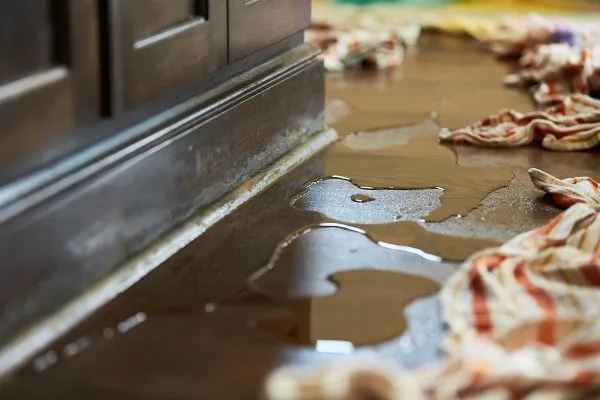
Not all water damage is the same. Water from a broken supply line is very different from sewage water. Sewage may contain bacteria, waste, strong odors, and other contaminants that can affect flooring, drywall, baseboards, cabinets, and personal belongings. Because of this, sewage cleanup requires a more careful and protective process than ordinary water removal.
Trying to clean sewage with basic household products can leave contamination behind. Porous materials can absorb dirty water, and odors can remain even after the surface looks clean. Professional restoration focuses on removing affected materials when needed, cleaning and sanitizing surfaces, controlling odor, and making sure the property is properly dried.
Common Causes of Sewage Backups
Sewage backups can happen for several reasons. A clogged drain may cause wastewater to come back into sinks, tubs, showers, or toilets. Tree roots can damage or block sewer lines. Older pipes can crack or collapse. Heavy rain may overwhelm drainage systems. In commercial properties, high usage can also create plumbing stress that leads to backups.
Sometimes the first sign is slow drainage or gurgling sounds from plumbing fixtures. Other times, the backup happens suddenly. If wastewater begins entering the property, it should be treated as an urgent situation. The affected area should be avoided until it is cleaned and restored properly.
What To Do If Sewage Backs Up Into Your Property
The first step is to stay safe. Avoid contact with sewage water and keep children, pets, employees, or customers away from the affected area. Do not walk through contaminated water unless absolutely necessary. If electrical outlets, wiring, or appliances may be affected, avoid the area and wait for professional help.
If it is safe, stop using water in the property to prevent more wastewater from entering the space. Do not flush toilets, run sinks, use showers, or operate appliances connected to the drain system. Then contact a professional restoration company for sewage cleanup and water damage restoration.
How Professional Sewage Cleanup Works
Professional sewage cleanup begins with an inspection of the affected area. The team identifies how far the contamination has spread, which materials are affected, and what needs to be removed or cleaned. This step is important because sewage water can travel under flooring, behind walls, and into hidden areas.
The next step is removing standing sewage water and contaminated debris. Damaged porous materials, such as carpet padding, insulation, or sections of drywall, may need to be removed if they cannot be cleaned safely. This helps reduce contamination and prevents further damage.
After removal, the area is cleaned, sanitized, and deodorized. Air movers and dehumidifiers may be used to dry the structure. Moisture monitoring helps confirm that affected areas are drying properly. Once the cleanup and drying process is complete, repairs or restoration can begin.
Why Odor Control Matters
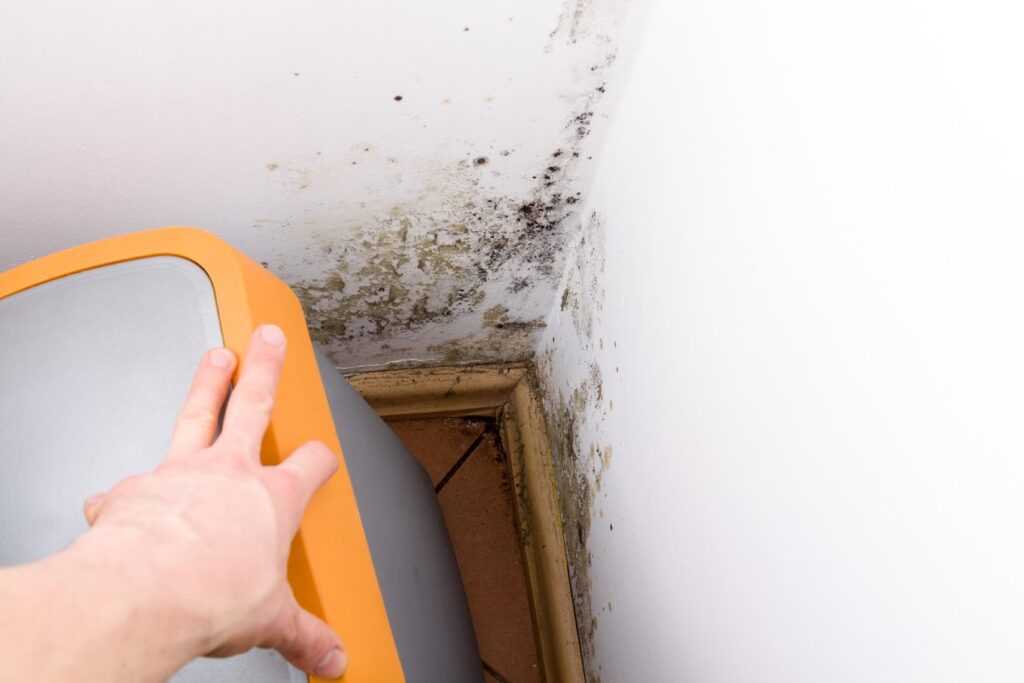
Sewage backups often leave behind strong odors. These odors can linger if contamination is not fully removed or if moisture remains inside materials. Professional odor control is part of the restoration process because simply masking the smell with sprays does not fix the source.
Proper cleanup targets the contaminated material, the affected surfaces, and the moisture that allows odor to continue. This helps return the property to a more comfortable and usable condition.
Protecting Your Property After a Sewage Backup
After cleanup, it is important to understand what caused the backup. A plumber may need to inspect the drain or sewer line to prevent the issue from happening again. Property owners should also watch for warning signs such as recurring clogs, slow drains, sewer odors, or backups during heavy rain.
The faster the cleanup begins, the better the chance of limiting damage. Delays can allow contamination to spread, moisture to soak deeper into materials, and odors to become harder to remove.
Final Thoughts
A sewage backup is not just a cleaning problem. It is a restoration issue that affects safety, structure, odor, and sanitation. Professional sewage backup cleanup helps remove contamination, dry the property, and restore the affected area the right way.
Always Ready Restoration of San Antonio helps homes and businesses recover from sewage backups with careful cleanup, proper drying, and dependable restoration service. When contaminated water affects your property, fast action is the best first step.
FAQs
Is sewage backup cleanup dangerous?
Yes. Sewage water can contain contaminants, so it should be handled carefully with proper protective equipment and professional cleanup methods.
Can sewage water damage walls and floors?
Yes. Contaminated water can soak into drywall, flooring, baseboards, cabinets, and other materials, which may need cleaning, drying, or removal.
How fast should sewage cleanup begin?
Cleanup should begin as quickly as possible. Fast response helps limit contamination, reduce damage, and control odors.