Water damage rarely gives you a warning. One minute everything looks normal, and the next you are dealing with a leaking pipe, a flooded room, a roof leak, or water spreading across the floor after a storm. For homeowners and business owners in San Antonio, TX, the first few hours matter the most. The quicker the problem is handled, the better your chances are of limiting damage, reducing repair costs, and preventing long term issues like mold growth.
Professional water damage restoration is about much more than cleaning up visible water. Water can travel under flooring, behind walls, into baseboards, and inside insulation. Even when the surface looks dry, hidden moisture may still be trapped inside building materials. That is why a proper restoration process focuses on inspection, water extraction, drying, dehumidification, cleanup, and repair.
Why Fast Water Damage Response Matters
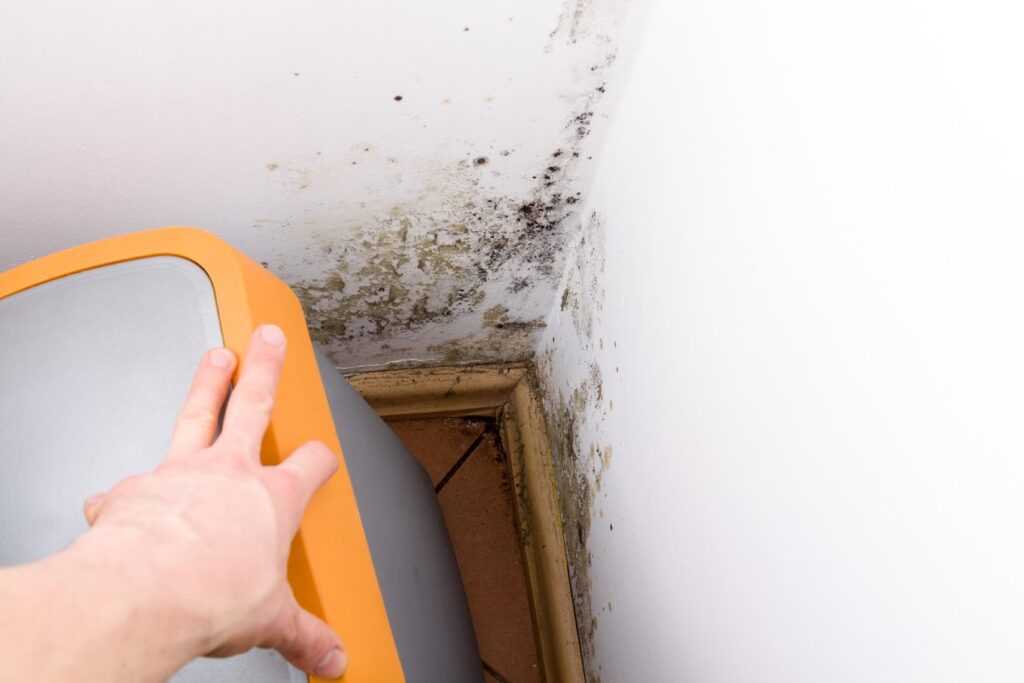
The longer water sits inside a property, the more damage it can cause. Drywall can soften, wood can swell, flooring can buckle, paint can peel, and personal belongings can become harder to save. In humid conditions, moisture can also create the perfect environment for mold to begin developing. Acting quickly helps protect both the structure of your property and the health of the indoor environment.
In San Antonio, heavy rain, plumbing issues, appliance leaks, HVAC drain problems, and roof leaks are all common causes of water damage. Some situations are easy to spot, such as standing water on the floor. Others are more hidden, such as slow leaks behind walls or moisture under flooring. A restoration team can use moisture detection tools to identify affected areas that may not be visible right away.
What You Should Do First
If water damage happens, safety comes first. Avoid walking through standing water if electrical outlets, appliances, or wiring may be affected. If the source of water is a plumbing issue and it is safe to do so, shut off the water supply. Move small valuables, electronics, and important documents away from the affected area if they can be reached safely.
After that, call a professional restoration company as soon as possible. Trying to handle serious water damage with towels, fans, or a household wet vacuum may not be enough. These methods can remove some surface water, but they often miss hidden moisture. If drying is incomplete, the property may develop odors, mold, stains, and structural problems later.
The Professional Water Damage Restoration Process
A proper restoration process usually starts with an inspection. The team checks the source of the water, how far the moisture has spread, and which materials have been affected. This step helps create a clear plan for cleanup and drying.
Next comes water removal. Powerful extraction equipment is used to remove standing water from floors, carpets, and other affected areas. Removing as much water as possible at the beginning helps speed up the drying process and reduces further damage.
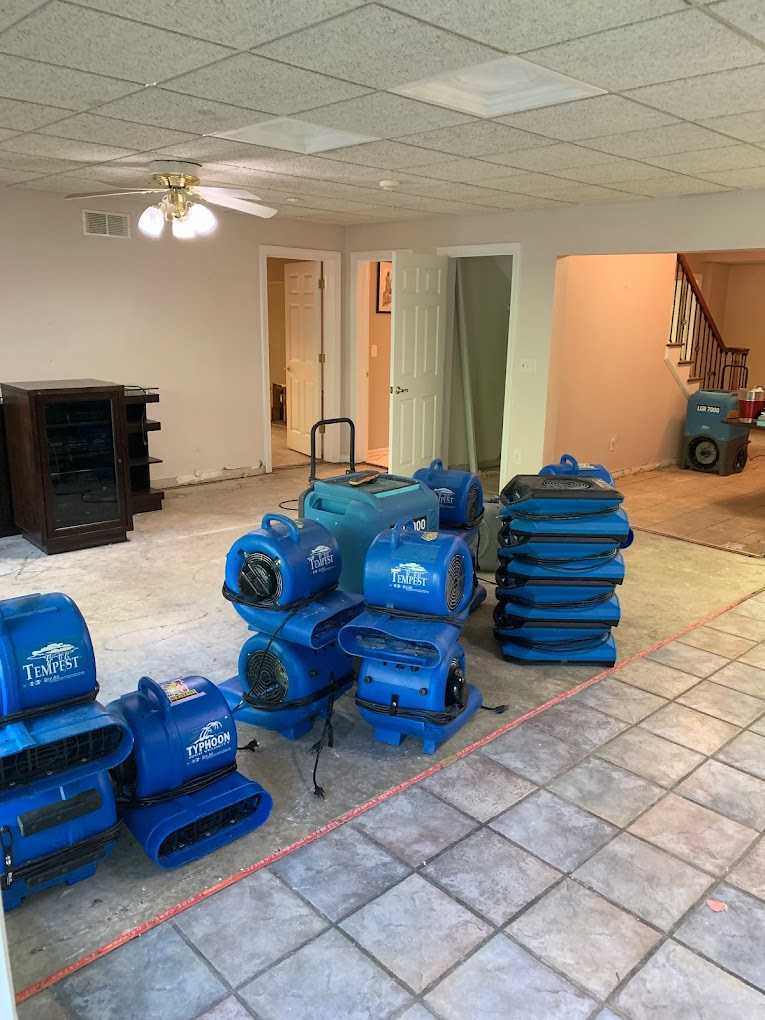
After extraction, the drying stage begins. Air movers and dehumidifiers are used to pull moisture from the air and affected materials. Moisture readings may be taken throughout the process to confirm that the area is drying properly. This is one of the most important parts of water damage restoration because hidden moisture is often what causes future problems.
Once the property is dry, the cleanup and repair phase can begin. Depending on the damage, this may include removing damaged materials, cleaning surfaces, deodorizing the space, and restoring affected areas. The goal is to return the property to a clean, safe, and stable condition.
Signs You May Still Have Hidden Moisture
Even after water is cleaned up, there may still be signs that moisture remains. Watch for musty odors, soft drywall, bubbling paint, warped flooring, damp carpet, or stains that continue to grow. If any of these signs appear, the area should be checked before the problem gets worse.
Hidden moisture can be especially tricky in cabinets, closets, wall cavities, and rooms with poor airflow. A room may look fine from the outside while moisture remains inside the structure. Professional drying helps reduce this risk and gives property owners more confidence that the damage has been handled properly.
Why Choose Local Water Damage Restoration in San Antonio
A local restoration company understands the types of water damage San Antonio property owners deal with, from storm related leaks to plumbing failures and moisture issues caused by heat and humidity. Local service also matters when response time is important. The faster a team can arrive, inspect the damage, and begin work, the better the outcome may be.
Always Ready Restoration of San Antonio helps homeowners and businesses respond quickly when water damage happens. From water removal to drying and restoration, the focus is on stopping the damage, protecting the property, and making the recovery process easier to manage.
Final Thoughts
Water damage is stressful, but the right response can make a major difference. Do not wait for moisture to dry on its own or assume the problem is gone because the surface looks dry. Fast, professional water damage restoration can help protect your property, prevent bigger issues, and get your home or business back under control.
FAQs
How quickly should I call after water damage?
You should call as soon as possible. Fast response helps reduce damage, limits moisture spread, and may lower the risk of mold growth.
Can I dry water damage myself?
Small spills may be manageable, but serious water damage often requires professional equipment. Hidden moisture can remain behind walls, under floors, and inside building materials.
Does water damage always cause mold?
Not always, but moisture that sits too long can increase the risk. Proper drying and moisture monitoring help prevent mold related issues.