Mold is one of the most frustrating problems that can show up after water damage. It may start quietly behind a wall, under flooring, inside cabinets, or near a damp ceiling. By the time you notice a musty smell or visible spots, the issue may already be larger than it looks. For property owners in San Antonio, TX, understanding how mold develops and how it should be handled can help prevent bigger damage.
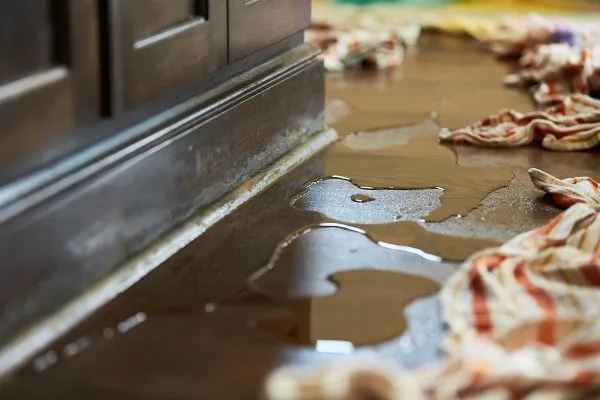
Mold needs moisture to grow. That moisture can come from a roof leak, plumbing leak, flood, sewage backup, air conditioning issue, or storm damage. Once moisture is trapped inside a property, mold can begin spreading across affected materials. This is why water damage and mold remediation are often connected.
Why Mold Can Become a Bigger Problem Over Time
Mold does not always stay in one place. If moisture remains, it can continue spreading to nearby surfaces. Drywall, wood, insulation, carpet, and ceiling materials can all hold moisture and provide the right environment for growth. What starts as a small patch can eventually affect a larger part of the property.
Mold can also create unpleasant odors and make a space feel damp or unhealthy. While not every mold situation looks severe from the outside, hidden growth can still affect the condition of your property. That is why it is important to address both the mold and the moisture source that caused it.
Common Signs of Mold in a Home or Business
Some signs of mold are easy to recognize, while others are more subtle. Visible spots on walls, ceilings, baseboards, or around windows are common warning signs. However, mold may also be present when you notice a musty odor, frequent dampness, stained drywall, peeling paint, or recurring moisture in the same area.
In San Antonio properties, mold may appear after heavy rain, roof leaks, slab leaks, burst pipes, appliance leaks, or HVAC moisture issues. Bathrooms, laundry rooms, kitchens, attics, closets, and areas around water heaters are also common places where moisture problems can develop.
Why Painting Over Mold Does Not Fix It
One mistake property owners sometimes make is trying to cover mold with paint. This may hide the problem for a short time, but it does not remove the mold or solve the moisture issue. If the affected material is still damp, the mold can return or continue spreading underneath the surface.
Cleaning visible mold with basic household products may also fail if the contamination has affected porous materials. Drywall, insulation, carpet padding, and wood can absorb moisture, making the problem harder to remove fully without proper remediation. A professional process is designed to identify the affected area, contain the spread, remove damaged materials when needed, and clean the space properly.
What Professional Mold Remediation Involves
Mold remediation starts with an inspection to find the visible and hidden signs of growth. The team also looks for the source of moisture because mold will keep coming back if the water problem is not corrected. This may include checking walls, ceilings, flooring, plumbing areas, and other moisture prone spots.
Containment is another important step. The goal is to keep mold from spreading into unaffected areas during cleanup. Depending on the situation, containment barriers and air filtration may be used. Damaged materials that cannot be cleaned properly may need to be removed and disposed of safely.
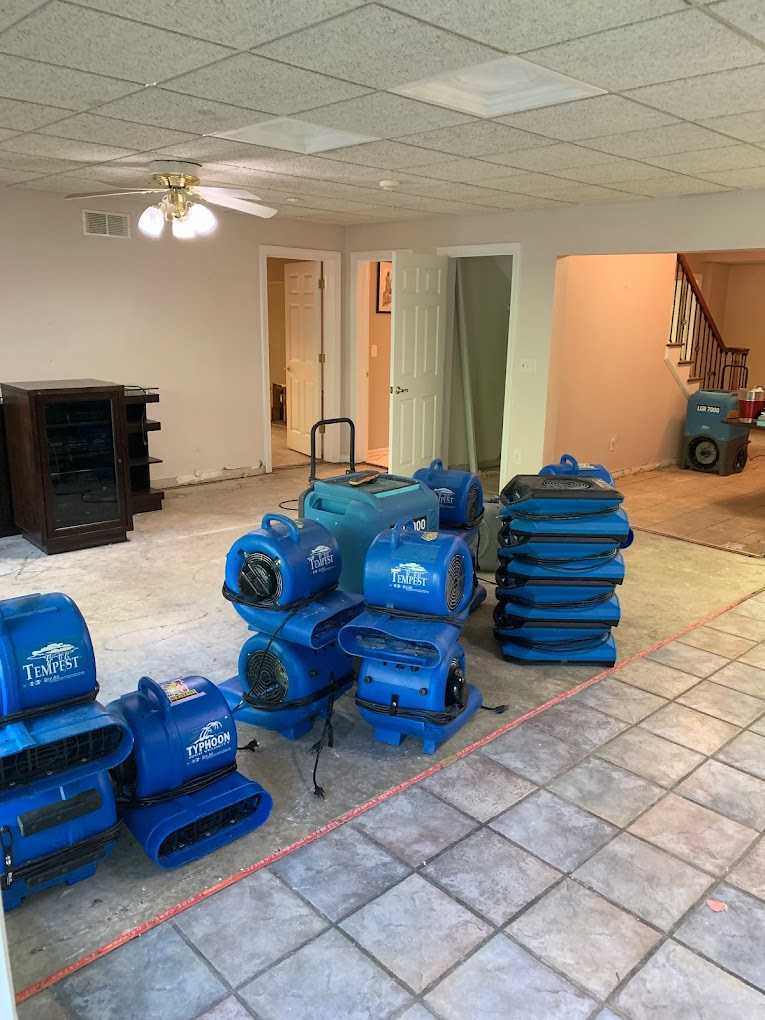
After removal, affected surfaces are cleaned and treated. Drying equipment may also be used if moisture is still present. The final goal is to return the area to a clean and stable condition while reducing the chance of the problem coming back.
Preventing Mold After Water Damage
The best way to prevent mold is to control moisture quickly. After any leak, flood, or water intrusion, affected areas should be dried properly. Do not rely only on opening windows or placing a fan in the room. Airflow helps, but it may not remove moisture trapped inside building materials.
It is also smart to repair leaks quickly, keep gutters working properly, check around appliances, and watch for musty odors after storms. If a room has repeated moisture issues, the source should be investigated instead of ignored.
Why San Antonio Property Owners Should Act Early
Mold problems are easier to manage when they are handled early. Waiting can lead to more affected materials, stronger odors, and a more involved remediation process. If you recently had water damage or notice signs of mold, calling a professional team can help protect your property and give you a clear plan for cleanup.
Always Ready Restoration of San Antonio provides mold remediation services for homes and businesses dealing with moisture related damage. The focus is on identifying the source, containing the affected area, removing contamination, and restoring the space safely.
Final Thoughts
Mold is not something to ignore or cover up. If moisture caused the problem, the real solution is to address the moisture and remove the affected materials or contamination properly. Professional mold remediation helps protect your property, improve the condition of the space, and reduce the chance of ongoing issues.
FAQs
Can mold grow after water damage?
Yes. If moisture remains inside walls, flooring, ceilings, or other materials, mold can begin to develop and spread.
Is visible mold the only problem?
No. Mold can also grow behind walls, under flooring, or in hidden damp areas. A musty odor can be a sign of hidden growth.
Can I remove mold myself?
Small surface spots may be cleaned, but larger or hidden mold problems should be handled professionally to reduce spread and address the moisture source.